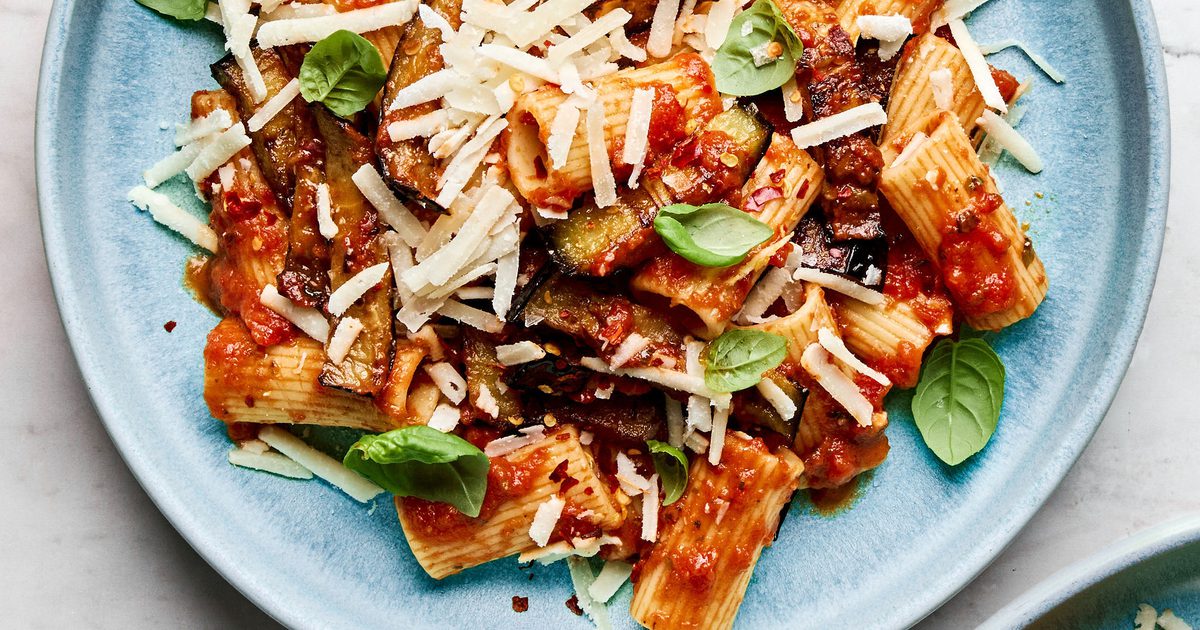
The Sicilian Secret: Perfect Eggplant for Your Pasta alla Norma
Pasta alla Norma isn't just a meal; it's a vibrant ode to Sicilian culinary tradition, a symphony of flavors celebrated across the globe. This iconic
tomato and eggplant pasta, Pasta alla Norma, owes its poetic name to Vincenzo Bellini's 19th-century opera, *Norma*, a masterpiece widely considered his finest achievement. Just as Bellini's opera is a triumph of artistry, a perfectly executed Pasta alla Norma is a testament to simple, high-quality ingredients transformed by meticulous technique. At the heart of this beloved dish lies the humble eggplant, and unlocking its potential is the true "Sicilian Secret" to a pasta experience that will leave your friends and family clamoring for more.
The Heart of Sicily: What Makes Pasta alla Norma Special
Imagine the sun-drenched landscapes of Catania, Sicily, where every ingredient bursts with flavor. Pasta alla Norma captures this essence, bringing together ripe tomatoes, aromatic basil, firm pasta, and, of course, the star — eggplant. But it's not merely the presence of these ingredients; it's their interaction and careful preparation that elevate the dish beyond a simple assembly.
The tomato sauce, often a seemingly simple blend, provides a robust yet fresh foundation. It's the backdrop against which the eggplant truly shines. A touch of garlic, perhaps some caramelized onion, and fresh basil are usually all that's needed to create a savory base that tastes like the Mediterranean summer. If you’re lucky enough to have fresh, in-season tomatoes, finely chopping them for the sauce can add an unparalleled brightness, though quality canned varieties work wonderfully too.
Yet, the true magic, the distinctive character that sets Pasta alla Norma apart, lies in its eggplant. Unlike many dishes where eggplant might be merely an accompaniment, here it takes center stage, its texture and flavor defining the dish. And then, there's the crowning glory, the non-negotiable finish: a generous dusting of ricotta salata. This aged, salted sheep's milk ricotta, firmer and saltier than its fresh counterpart, delivers a sharp, piquant counterpoint that perfectly balances the richness of the eggplant and tomato. While Parmesan or caciocavallo can offer a similar salty tang, purists will insist that the unique, slightly crumbly texture and distinct flavor of ricotta salata are absolutely essential for an authentic experience.
The Sicilian Secret: Mastering Your Eggplant
The journey to perfect Pasta alla Norma begins and ends with how you treat your eggplant. Forget mushy, oil-logged chunks; we're aiming for something far more sublime. The key is to transform the eggplant into creamy, melt-in-your-mouth slices or cubes that are deeply burnished and rich with flavor, not just saturated with oil.
Salting is Non-Negotiable
Before any cooking begins, the most crucial step is salting the eggplant. This isn't just a suggestion; it's a fundamental technique that ensures superior texture and flavor. Eggplant naturally holds a lot of moisture, and without proper salting, it acts like a sponge, soaking up excessive amounts of oil and becoming soggy. Furthermore, salting helps to draw out any potential bitterness, especially from larger or older eggplants.
**How to salt:** Slice or cube your eggplant as desired. Lay the pieces in a single layer on a cooling rack set over a baking sheet. Liberally sprinkle both sides with coarse salt (kosher salt works perfectly). Let them sit for at least 30-60 minutes, or even up to 2 hours. You'll see beads of moisture form on the surface. Before cooking, thoroughly pat the eggplant dry with paper towels to remove all the released moisture and excess salt. This step alone can transform your eggplant from an ordinary vegetable into a culinary delight.
Choosing Your Cooking Method: Texture is Everything
Once salted and dried, your eggplant is ready for its transformation. The traditional method is deep-frying, and for good reason.
* **Deep-Frying for Unrivaled Creaminess:** This is the purist's choice and arguably delivers the most authentic texture. Submerging the eggplant in hot oil (preferably good quality extra-virgin olive oil, as is common in Sicily, though a neutral oil can also be used for cost) cooks it quickly and evenly, creating a crispy exterior that gives way to a wonderfully creamy, almost meaty interior. The oil temperature is key – too low, and the eggplant will absorb too much; too high, and it will burn before cooking through. Aim for around 350-375°F (175-190°C). Cook in batches until golden brown and tender, then drain thoroughly on paper towels. The result is a luxurious texture that truly makes the sauce wonderful.
* **Shallow-Frying for a Lighter Touch:** If deep-frying feels daunting, shallow-frying in a skillet is an excellent alternative. Use enough olive oil to generously coat the bottom of the pan and cook the eggplant in batches, turning until each side is golden and tender. This method still achieves a good amount of caramelization and flavor, with less oil than deep-frying.
* **Roasting for a Healthier Twist:** For a lighter, non-fried version, roasting the eggplant in the oven is a viable option. Toss the salted and dried eggplant with a good drizzle of olive oil and roast at a high temperature (around 400-425°F or 200-220°C) until tender and nicely caramelized, flipping halfway through. While it won't achieve the exact melt-in-your-mouth creaminess of deep-fried eggplant, it still offers a delicious texture and is a fantastic alternative for a weeknight meal. Just be mindful that the texture will be slightly different – less velvety, more roasted.
Regardless of your chosen method, the goal is deeply burnished, tender pieces of eggplant, rich with flavor and free from any unpleasant sogginess.
Crafting the Companion: Sauce and Seasoning
With your perfectly prepared eggplant set aside, attention turns to the accompanying tomato sauce. While the eggplant is the undisputed star of Pasta alla Norma, the sauce provides the stage. Simplicity is key. A base of sautéed garlic in olive oil, followed by crushed or diced tomatoes (fresh if in season, otherwise quality canned), and plenty of fresh basil, forms the core.
However, the beauty of this dish lies in its accommodating nature. Feeling adventurous? Add a pinch of crushed red pepper flakes for a subtle kick, or caramelize a finely diced onion before adding the garlic for an extra layer of sweetness and depth. Fresh parsley or even a hint of mint can introduce intriguing aromatic notes, proving that while tradition is respected, personal flair can enhance the experience.
The Grand Finale: The Essential Ricotta Salata
No Pasta alla Norma is complete without its iconic topping. While some initially find ricotta salata "bland" or "underwhelming" compared to the punch of Parmesan, its role is not to dominate but to complement. Made from sheep's milk, it's a dry, salty, and slightly crumbly cheese that offers a crucial textural and flavor contrast to the rich tomato sauce and creamy eggplant. Its saltiness cuts through the richness, while its unique, subtly tangy flavor adds an authentic Sicilian touch that truly distinguishes the dish.
When you've carefully prepared your `tomato and eggplant pasta pasta alla norma`, ensure you have this essential ingredient on hand. Grate it finely over each serving just before bringing it to the table. This touch is not just decorative; it's the final, harmonious note in Sicily's operatic culinary masterpiece. For a deeper dive into the specifics of these crucial ingredients, check out
Mastering Authentic Pasta alla Norma: Essential Eggplant & Ricotta.
Beyond the Classic: Creative Twists and Serving Tips
Pasta alla Norma is more than just a recipe; it's a concept. Its hearty, satisfying nature makes it a perfect candidate for a "Meatless Monday" meal, offering a robust vegetarian alternative to dishes like eggplant Parmesan without feeling like a compromise.
While the classic preparation is unparalleled, don't hesitate to adapt it to your pantry or preferences once you understand its core principles. The dish is incredibly generous in allowing for minor deviations. Serve it simply, allowing the vibrant colors and aromas to speak for themselves, perhaps with a crusty piece of bread to sop up any leftover sauce.
Embrace the joy of cooking this classic Sicilian dish. By understanding the critical role of salting and proper cooking for your eggplant, appreciating the nuanced flavor of ricotta salata, and allowing the simple, fresh tomato sauce to shine, you'll uncover the "Sicilian Secret" to a truly unforgettable Pasta alla Norma. It's a journey worth taking, leading to a dish that will transport your taste buds straight to the heart of Sicily.